to feel at home
לקראת שיפוץ ,בנייה,תהליך רישוי
שולחים לנו קובץ ומקבלים תמונות/ סרטון של הבית והחלום
Promo
לפני שמתחילים לבנות או לשפץ וכדי לחסוך בטעיות ובעשרות אלפי שקלים
הדמיות מאפשרות לראות לחוש ולראות את הפתרון הנכון
להדמיות ריאליסטיות לבית ולעסק
שמאפשרות להבין את החלל, החומרים והאווירה
לפני שמקבלים החלטות.
Order interior visualization/exterior visualization/sales plan
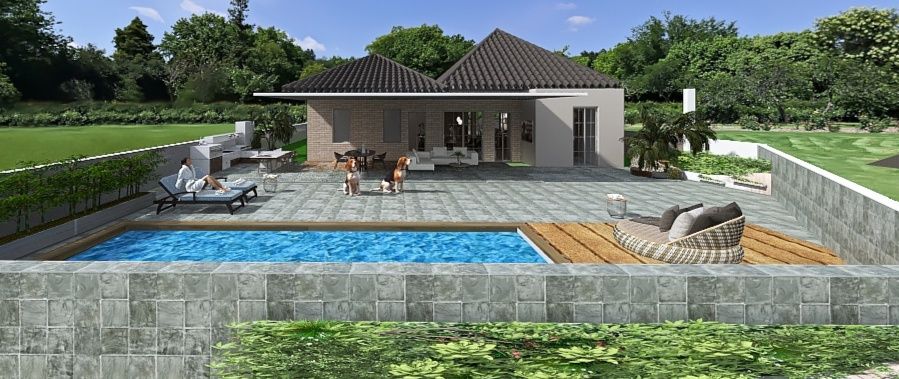
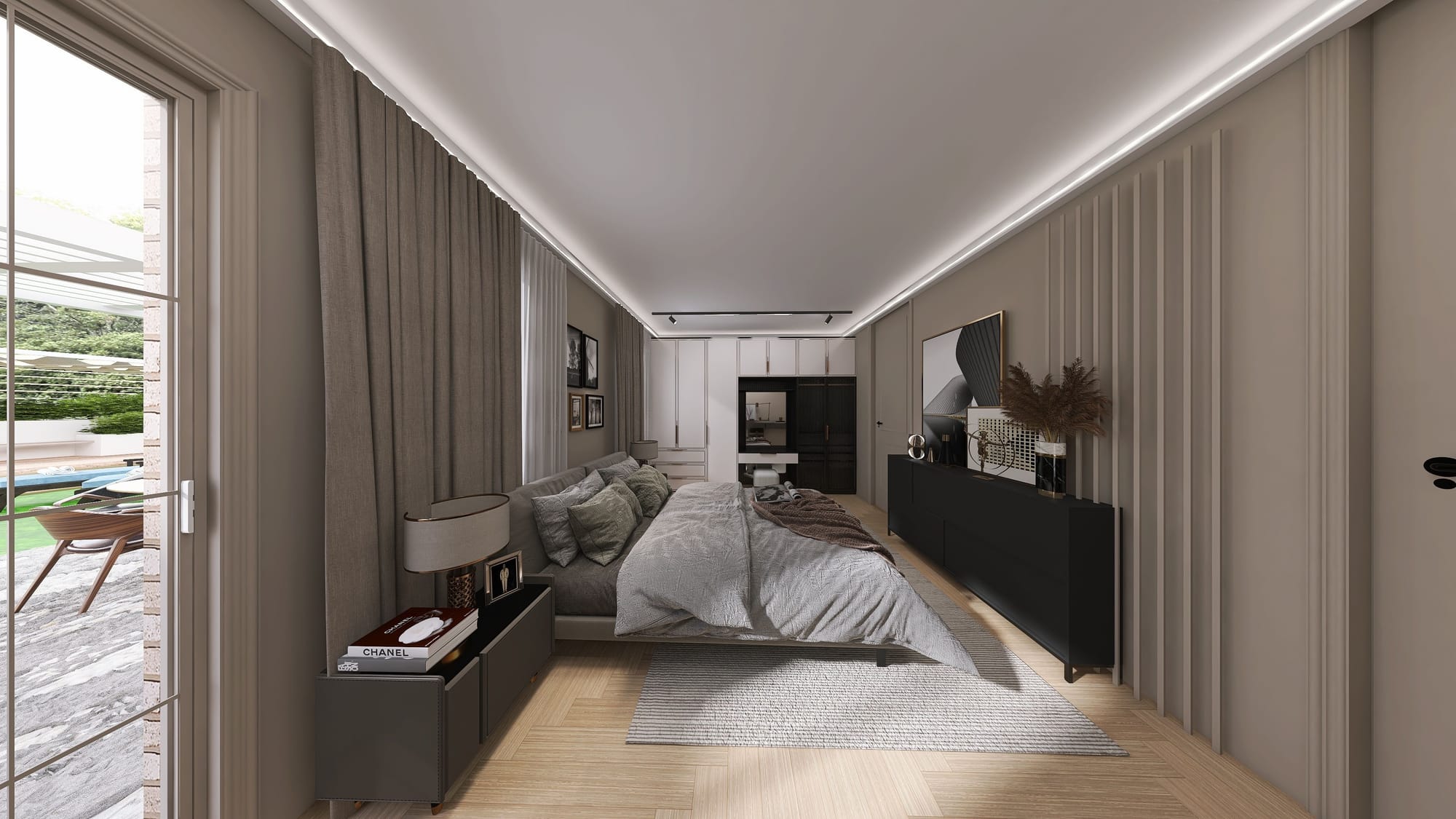
Private house before licensing procedure
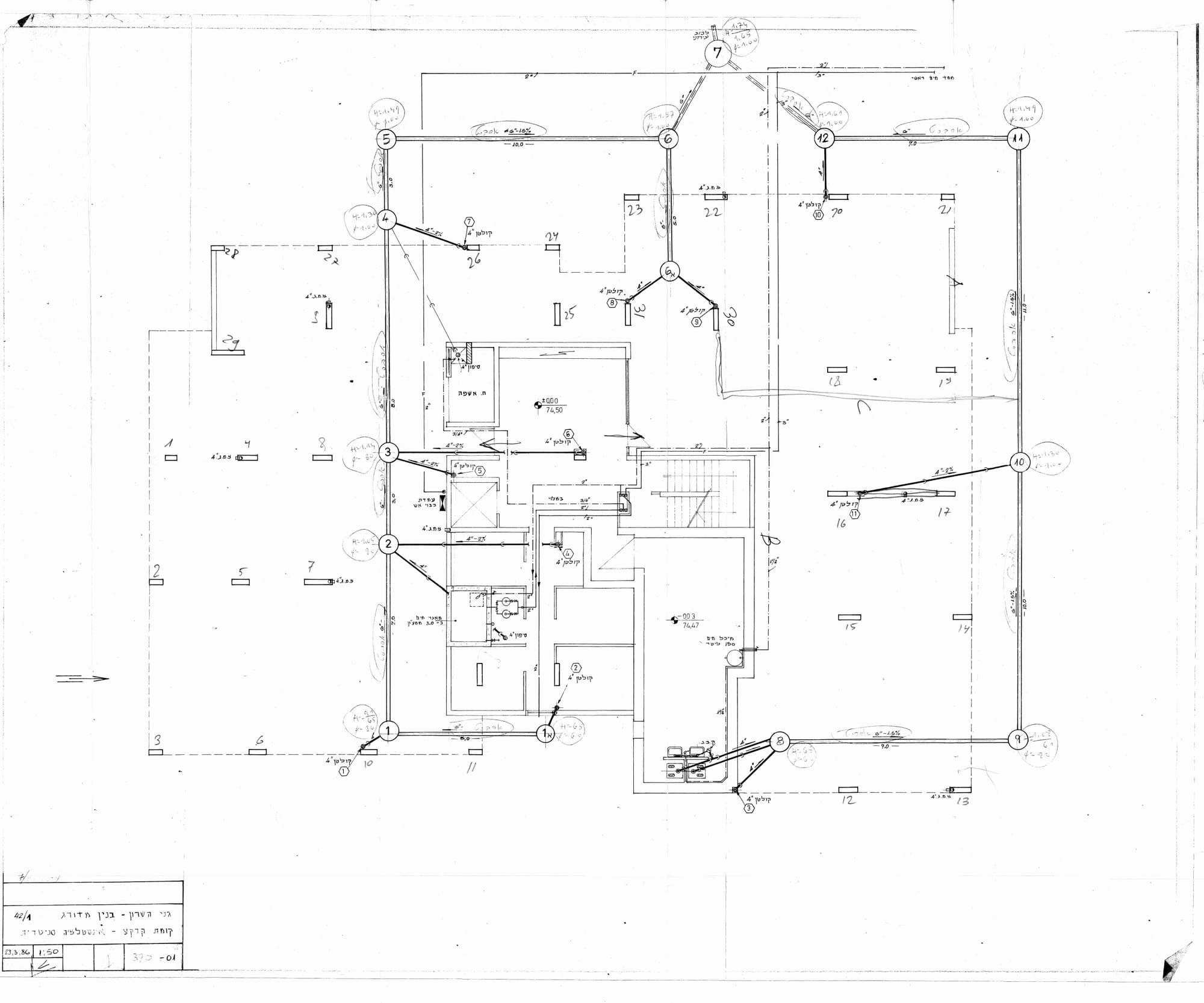
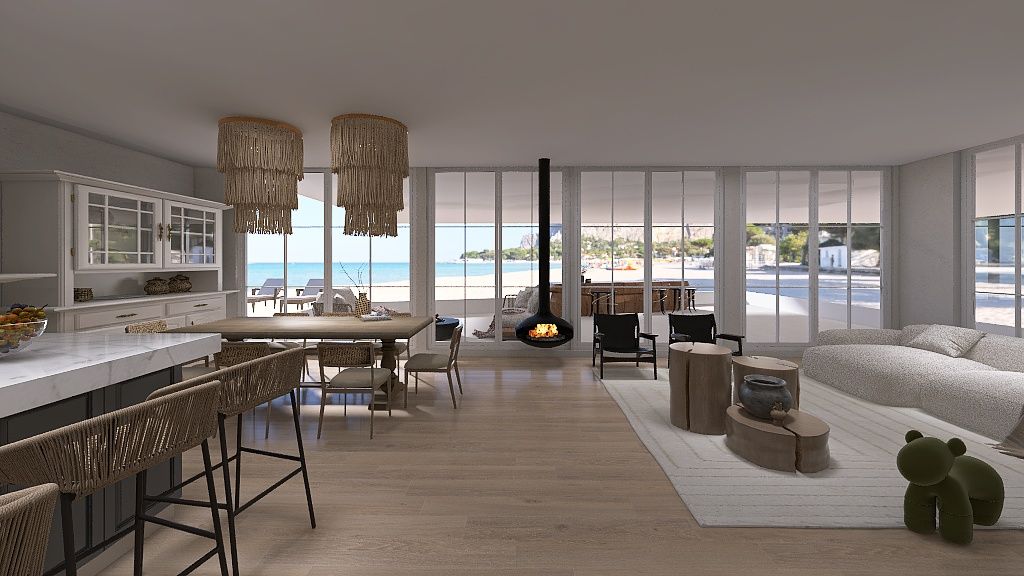
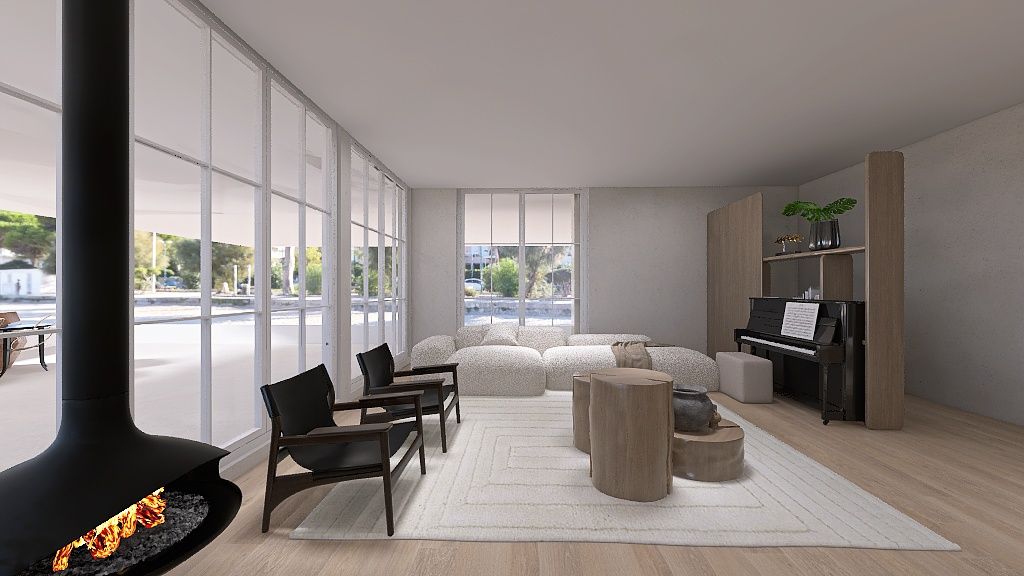
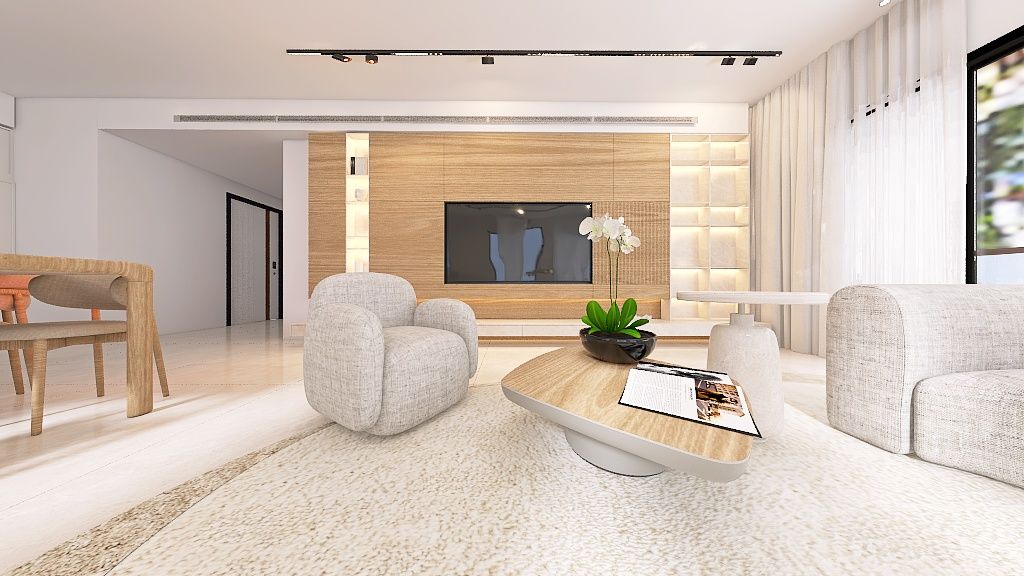
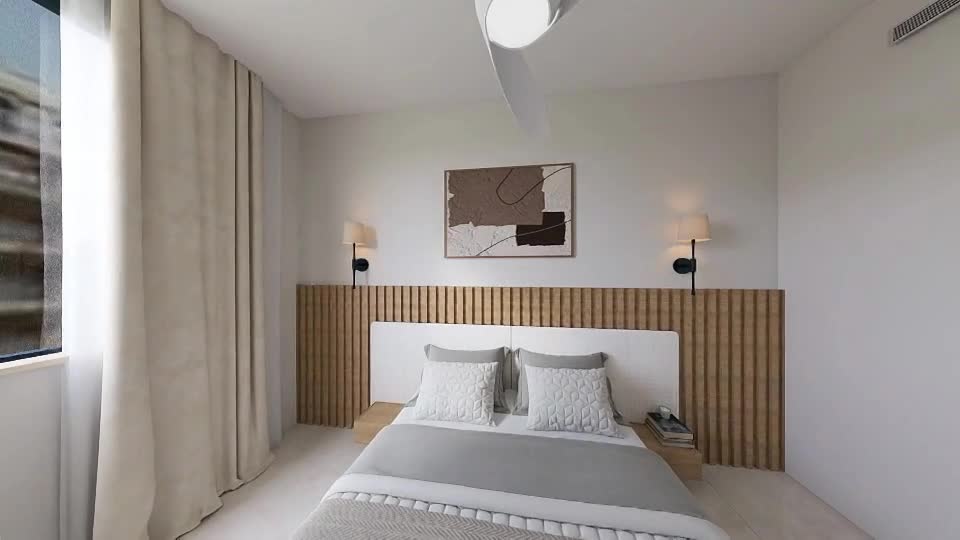
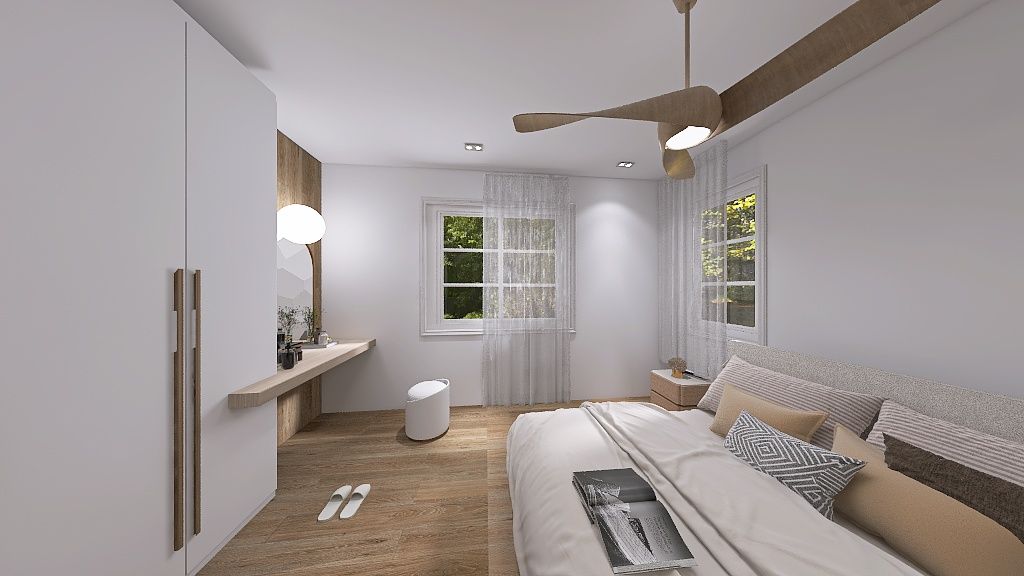
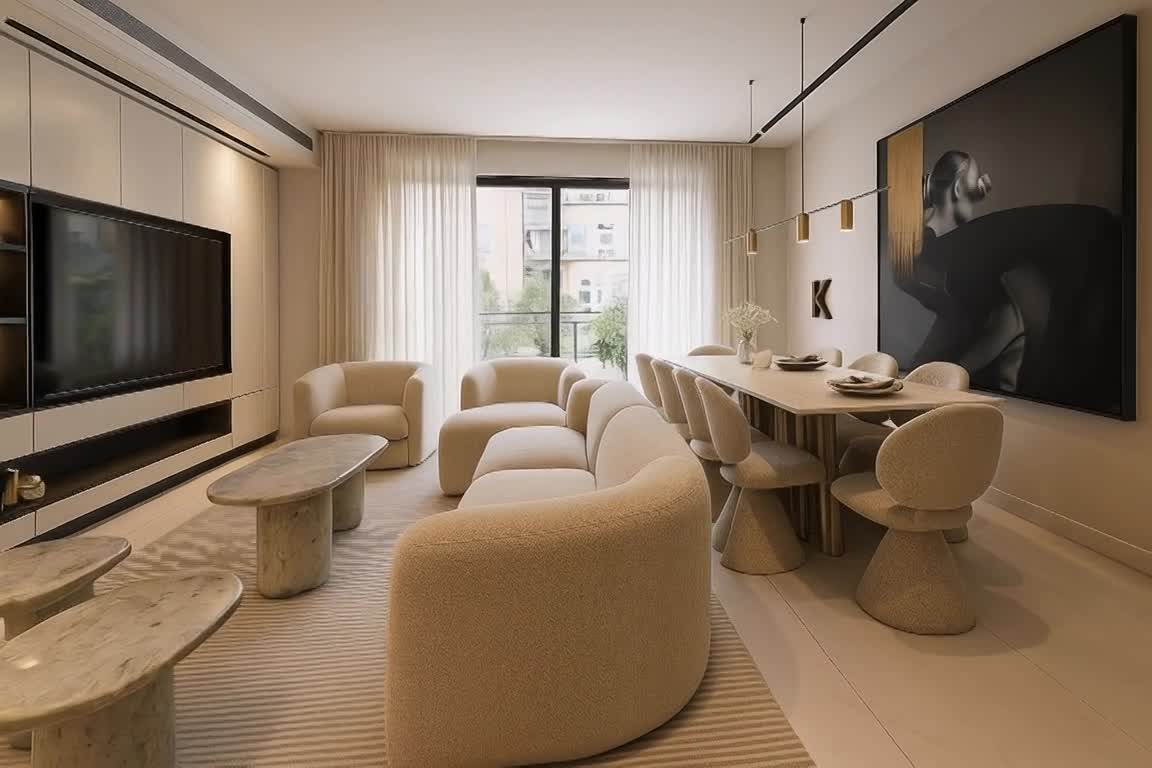
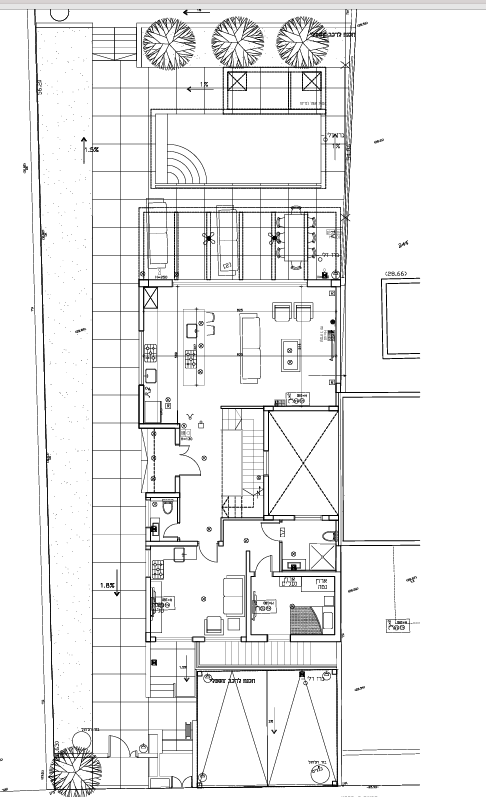
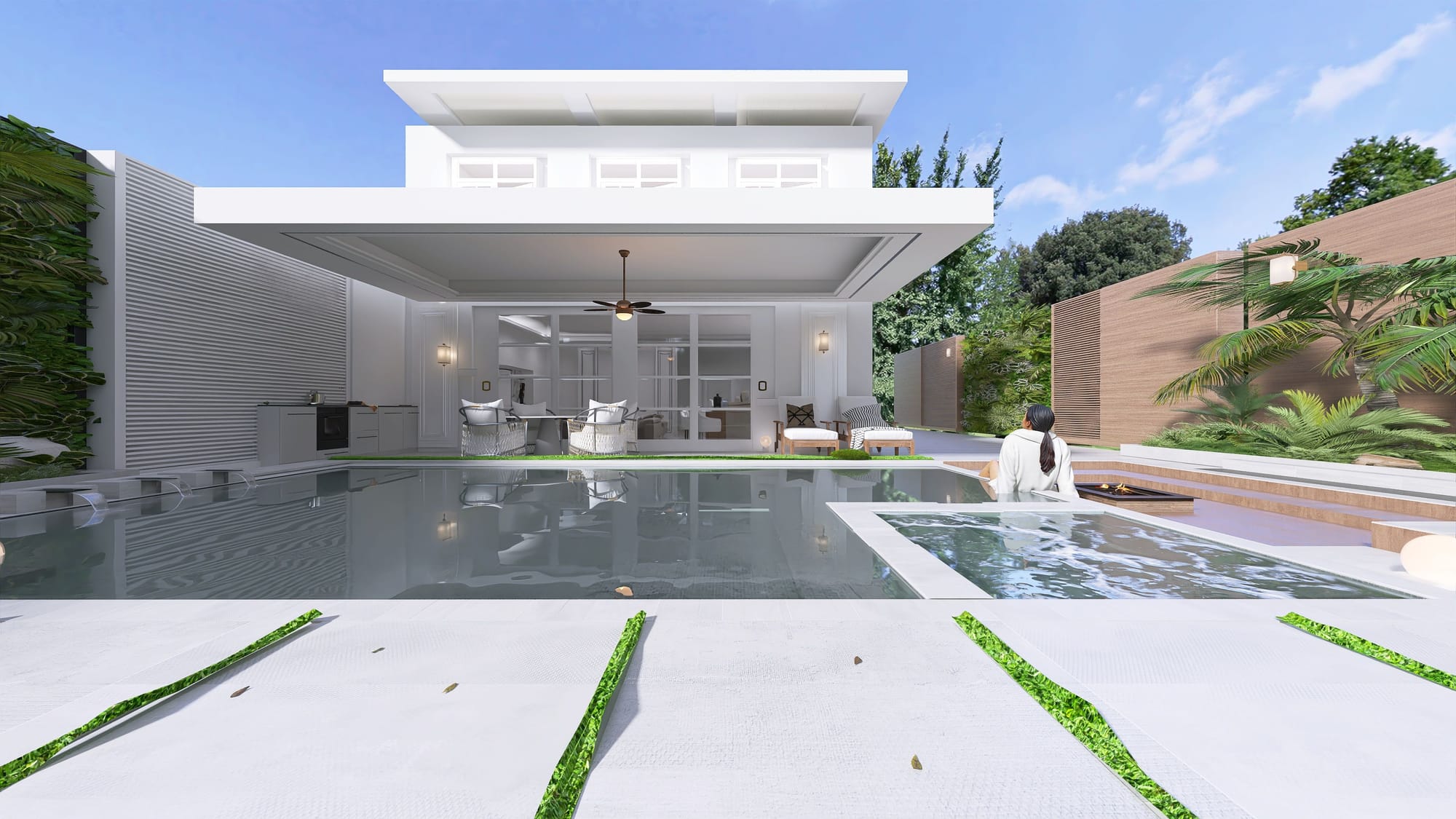
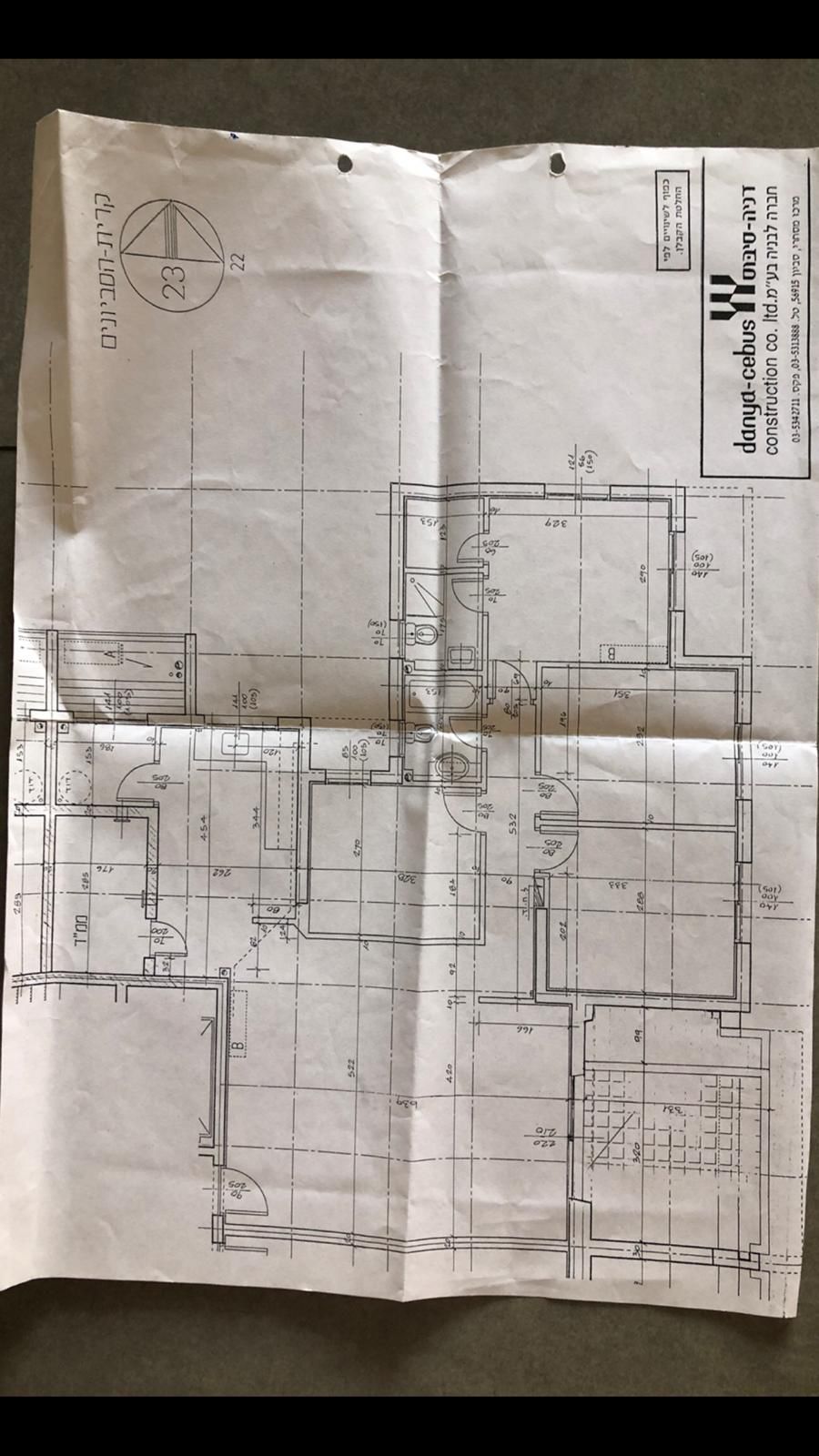
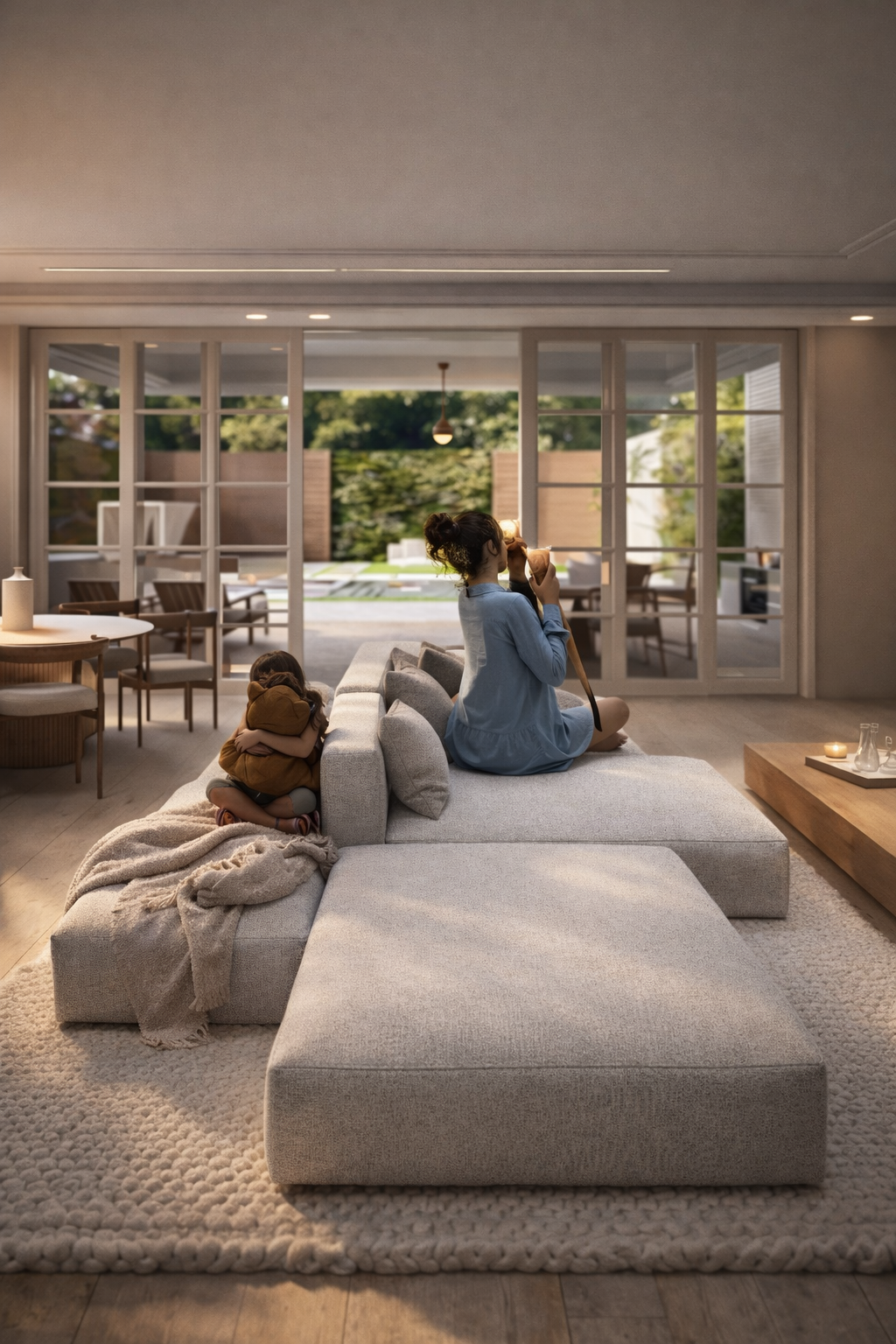
2D plans don’t always allow you to see the full picture – the connection between the kitchen and the living room, the sense of space, or how the furniture and materials will work together. That’s why they came to me. Through visualizations of the public space – living room, kitchen, balconies and bedrooms, we turned the plans into a clear and tangible concept.
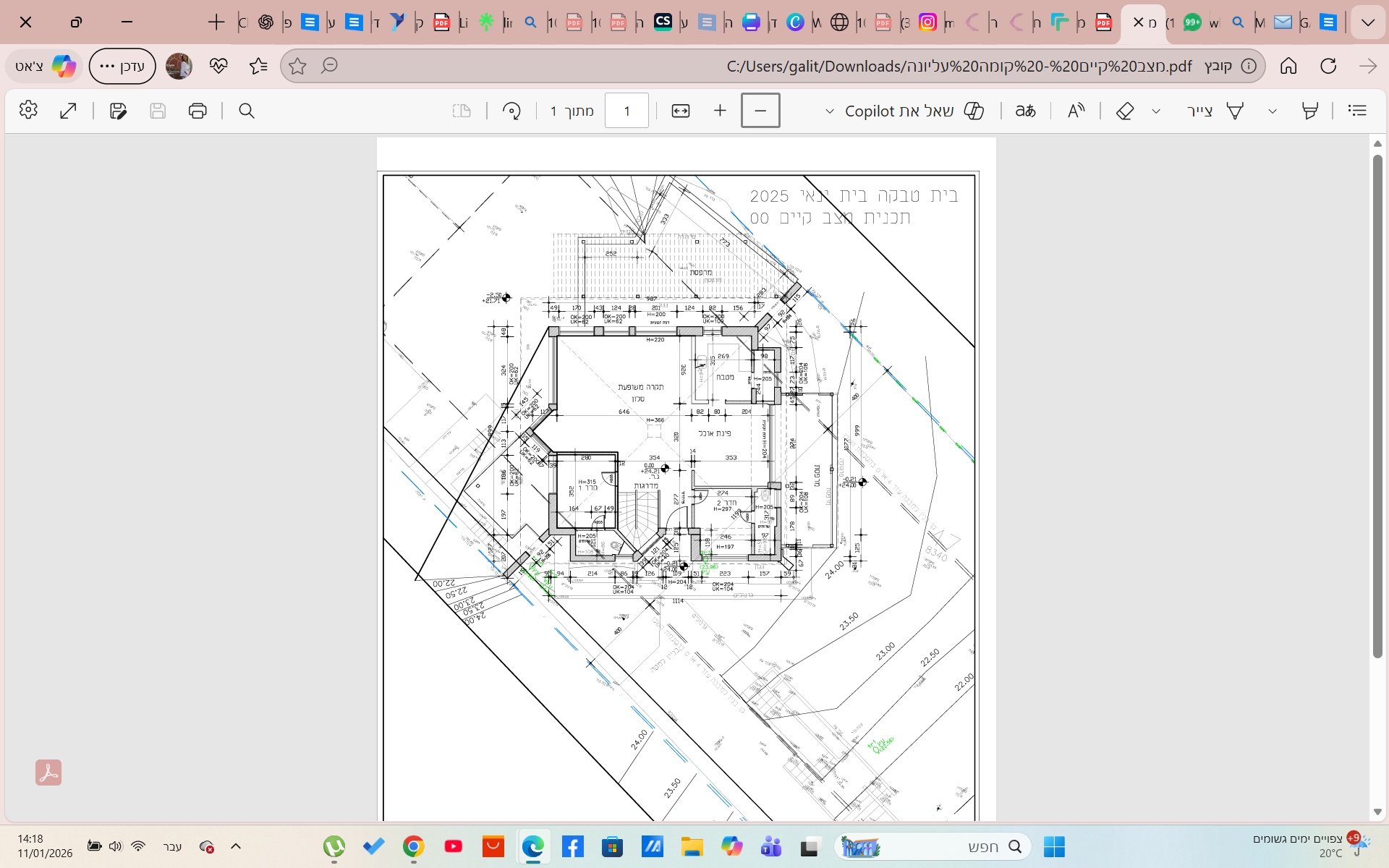
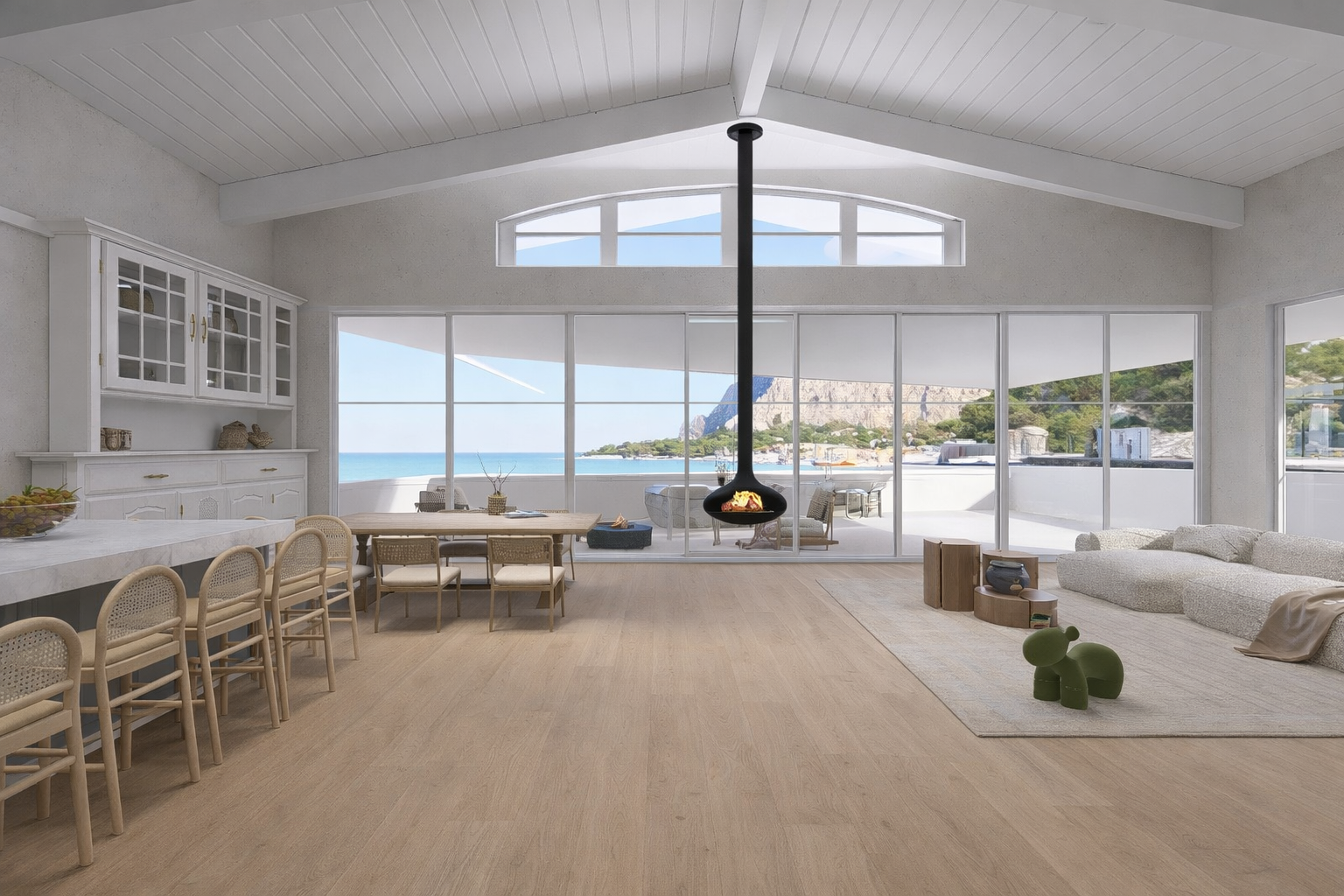
Classic house planning
The clients came to me even before the licensing stage. They received architectural plans and wanted a beautiful, well-planned, and cozy home – but had difficulty understanding what exactly was planned for them. An architectural plan is professional language. For those who are not used to reading it, it is difficult to see the future home: what the living room will look like, how the kitchen connects to the space, what the feeling of space will be, and how everything will work together. Through visualizations of the house – the public space, the kitchen, the living room, the balconies, and the bedrooms, we were able to turn the lines in the plan into a clear reality.
Contractor's apartment
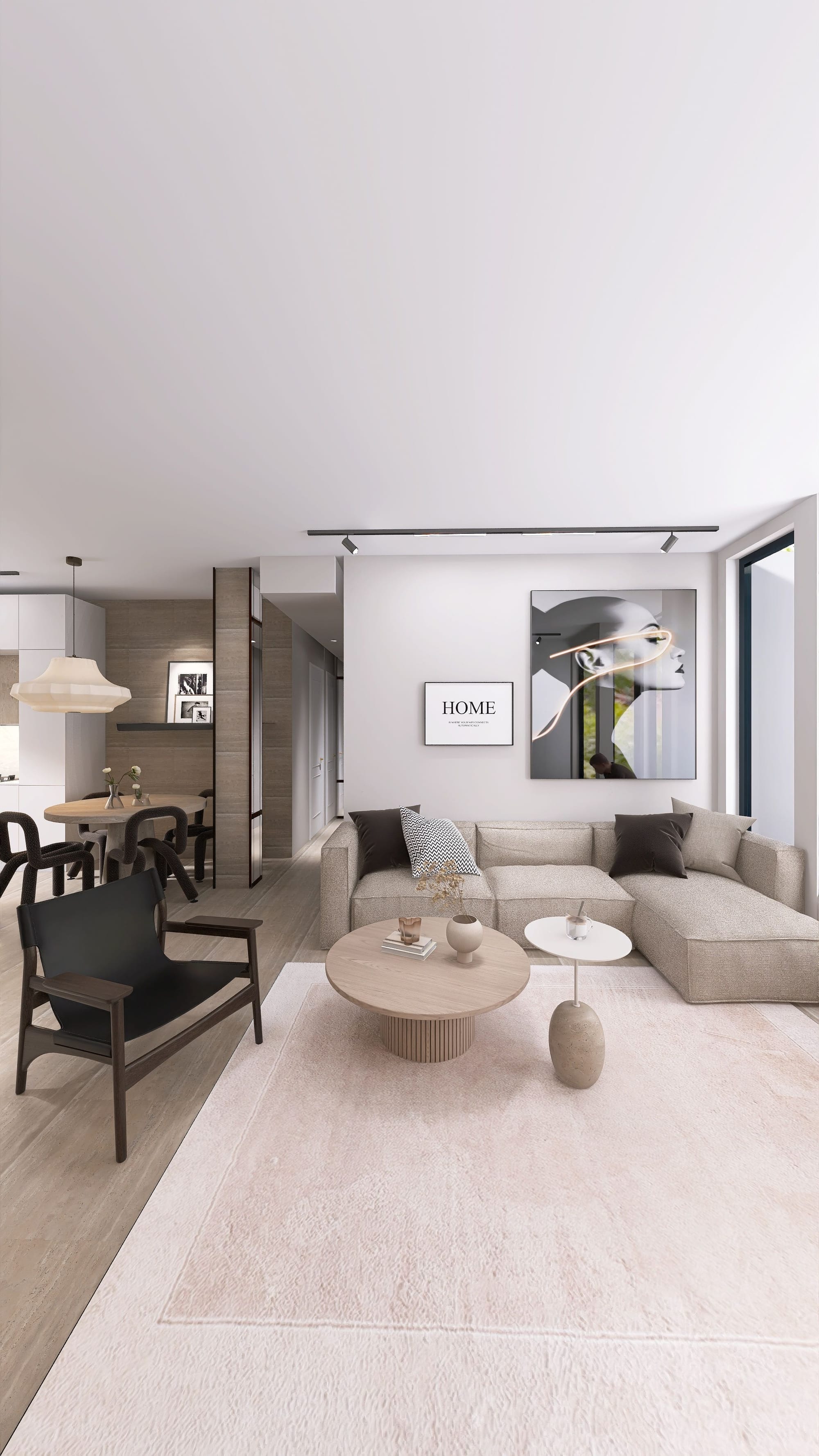
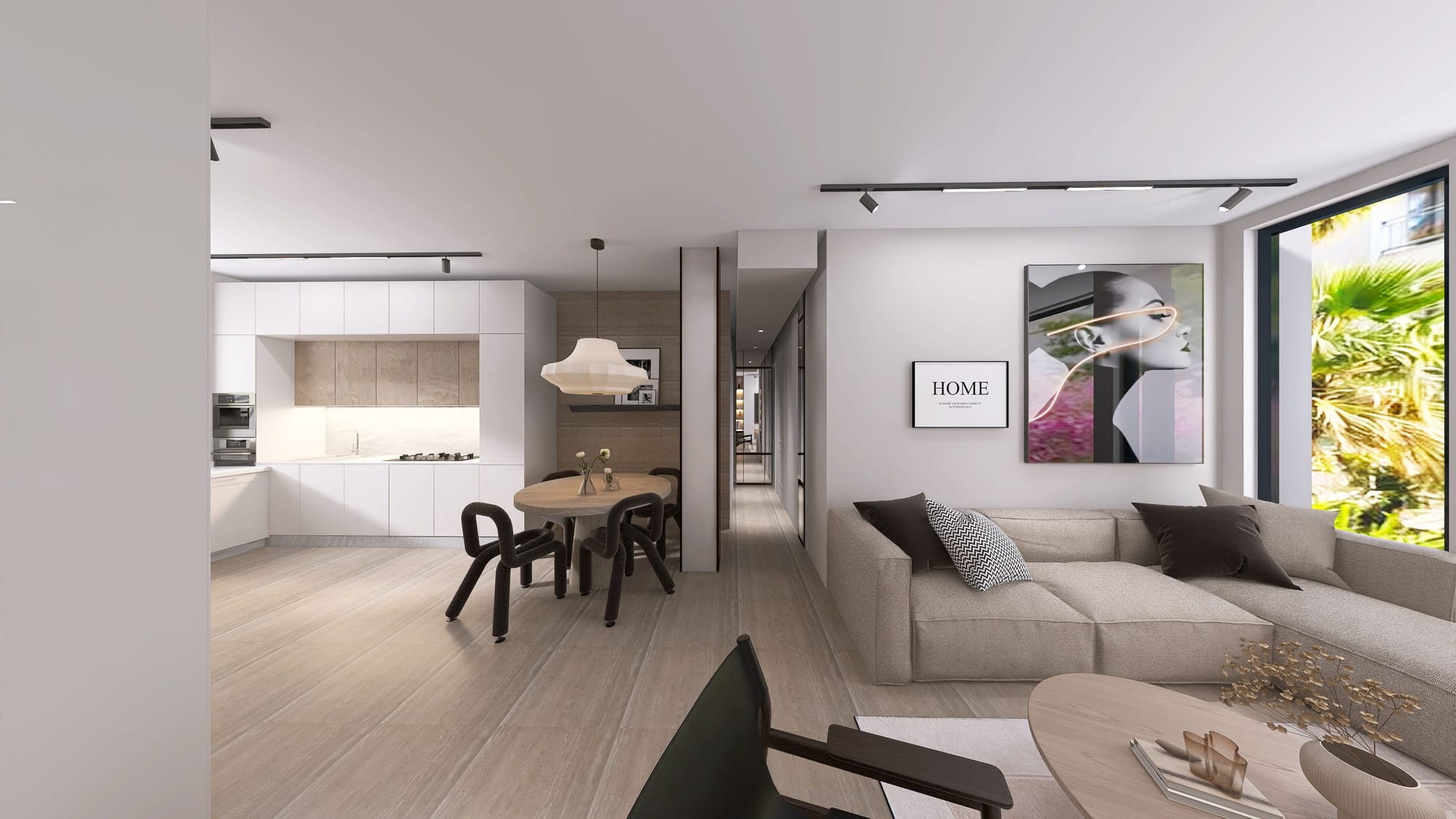
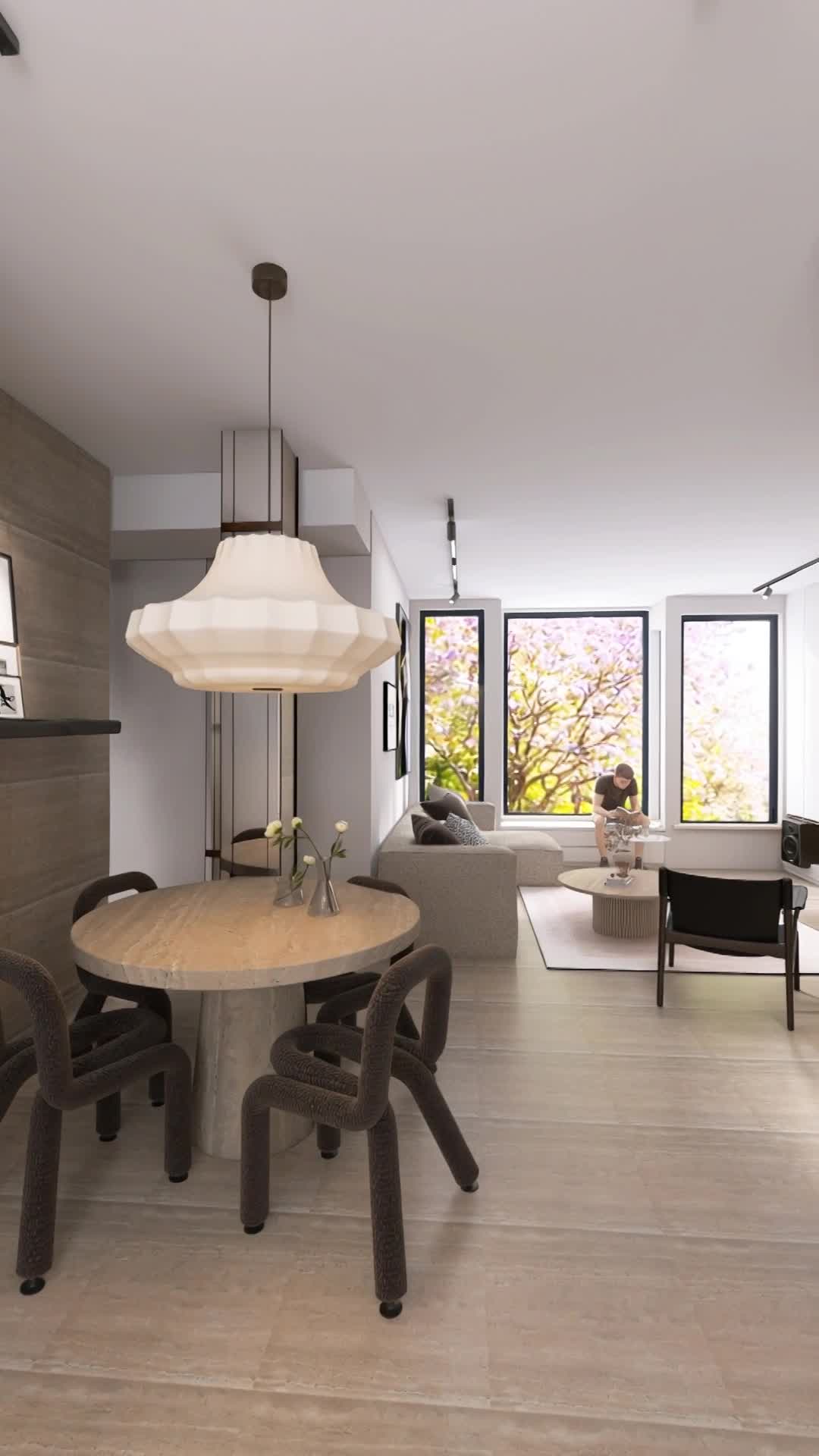
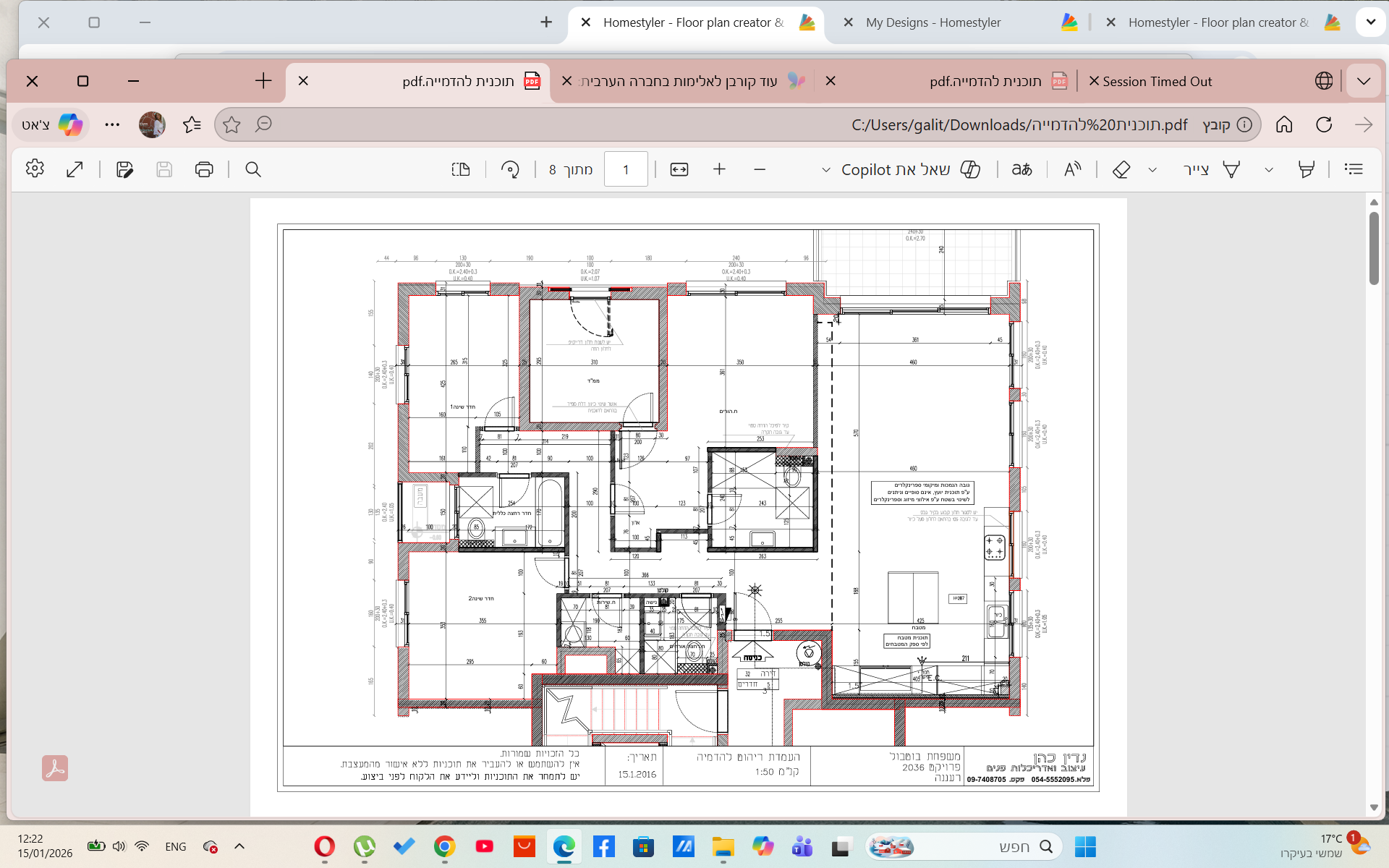
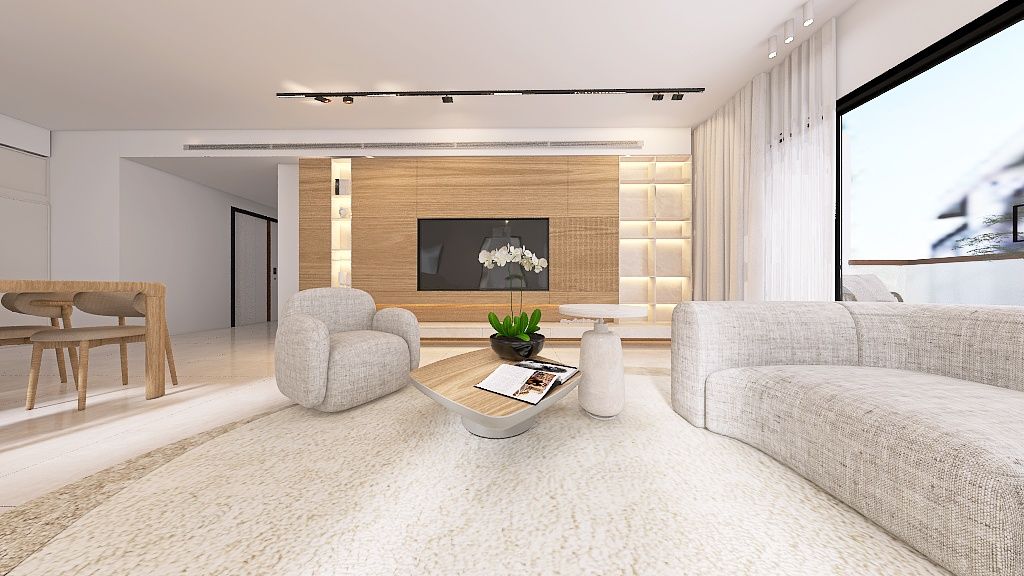
Before visualization – it’s hard to imagine. After visualization – everything becomes clear. The client purchased a new apartment from a contractor, but had difficulty seeing the potential of the space and the changes I suggested in the design. Through accurate visualizations of the public space – living room, kitchen, balconies and bedrooms, we were able to turn the plans and sketches into a clear and tangible picture. Suddenly she could see: • How the kitchen connects to the living room • How the furniture is placed in the space • How the lighting and materials work together • And how the apartment will really look after the changes Good visualization is not only beautiful – it is a tool that allows you to make decisions with confidence and save yourself from costly mistakes on the ground. Sometimes all it takes to understand the future home – is to see it one moment before it is built.
private house
Store visualization
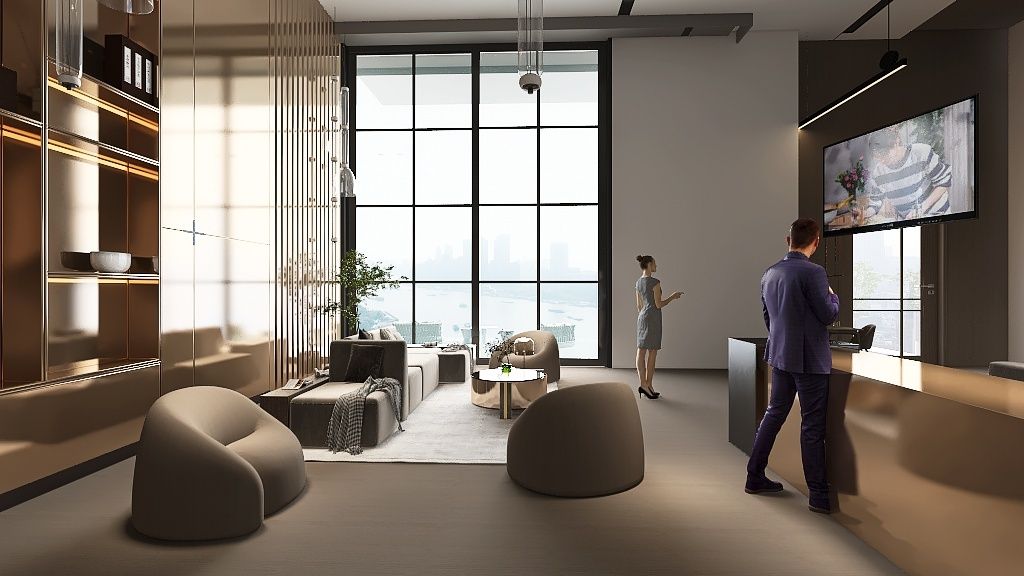
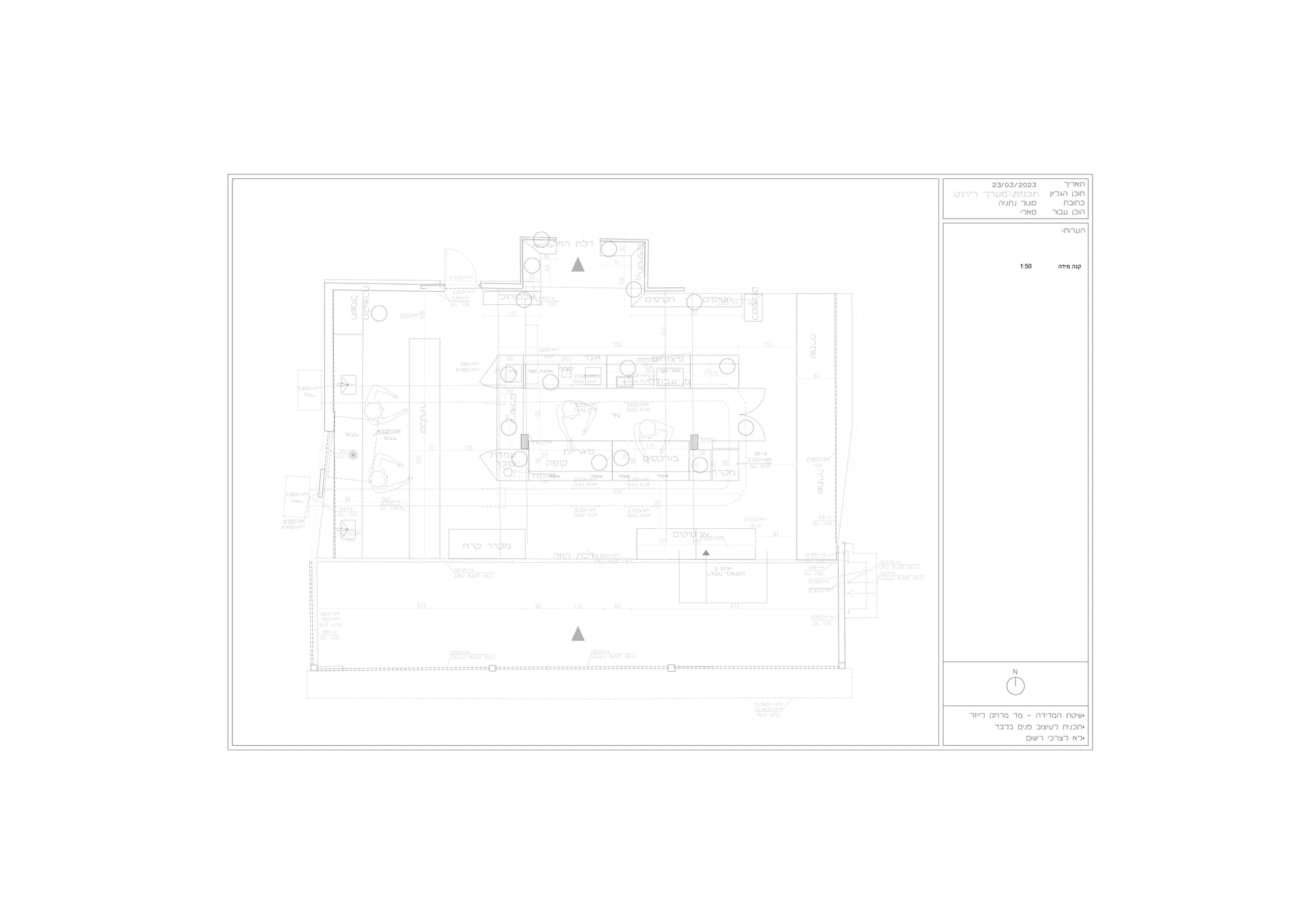
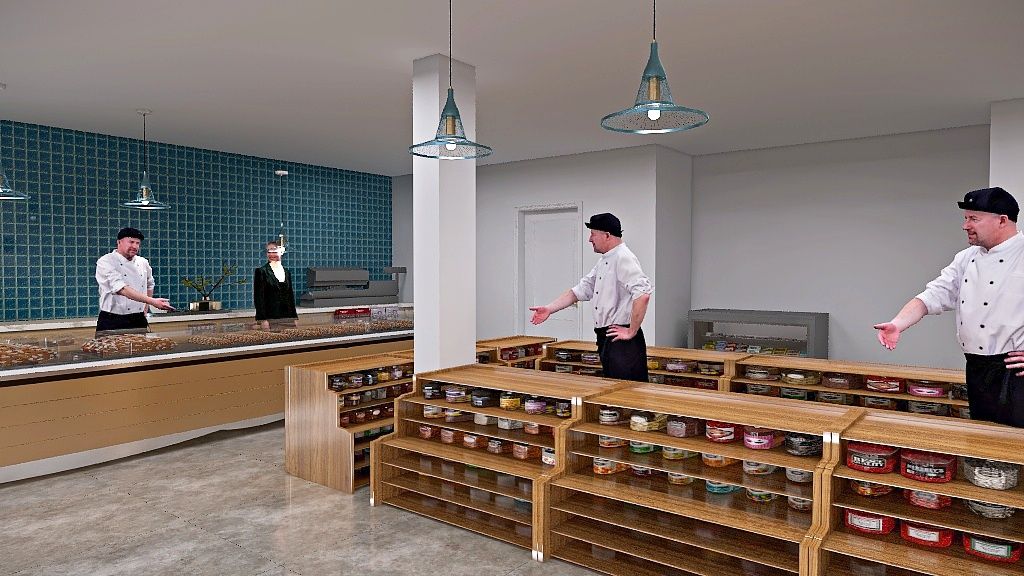
The clients approached me to understand what the design of their store would look like. They received plans, but they had a hard time imagining the actual space. By visualizing the store, we turned the lines in the plan into a clear and tangible image. This way, they could see in advance: • What the space would look like • How the various elements would be positioned • How the materials and colors would work together • And what atmosphere the store would create for customers. Visualization allows you to fully understand the design, make decisions with confidence – and ensure that the space will be exactly as you imagined, before you even begin to execute.
Simulation of a lobby in a residential building
The developers and residents wanted to understand what the building's lobby would look like before construction. The architectural plans presented the space, but it was difficult to imagine the feel, materials, and atmosphere. By visualizing the lobby, we turned the planning into a clear and tangible image. This way, it was possible to see in advance: • The design of the building's entrance • The combination of materials and colors • The lighting and furniture • And the atmosphere that the lobby would create from the first moment you enter the building. Visualization allows you to make precise decisions before construction, refine the design – and create an impressive entrance that defines the entire living experience in the building.